On Tuesday 14th July 2026, the Seychelles Fisheries Authority (SFA) was pleased to welcome a high-level delegation from the Republic of the Marshall Islands (RMI) as part of a knowledge exchange visit under the FISH4ACP project, which supports the development of the tuna sector in the Marshall Islands.
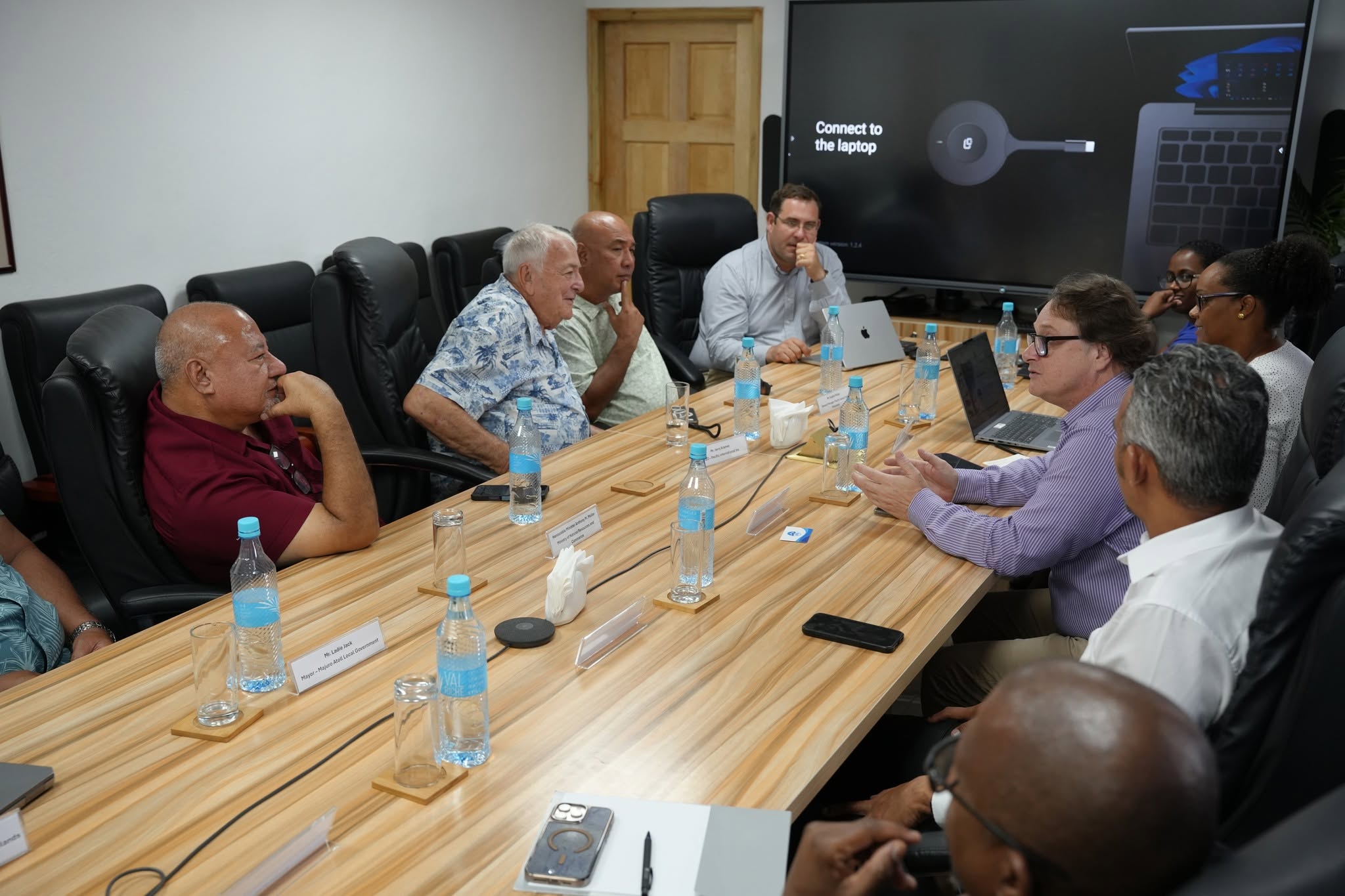
Led by Hon. Anthony M. Muller, Minister for Natural Resources and Commerce, the delegation included representatives from the Marshall Islands Marine Resources Authority (MIMRA), Majuro Atoll Local Government, the Marshall Islands Shipping Corporation, Pacific International Inc., and Pacific Island Tuna Provisions.
As the FISH4ACP project enters its final phase, the Marshall Islands is seeking to build on its achievements by learning from successful examples of tuna port operations, industrial fish handling systems, and public-private partnerships that can support future investment and the sustainable growth of its fisheries sector. Seychelles was selected as a model due to its well-established tuna industry and the strong collaboration between government institutions, port authorities, and private sector operators.
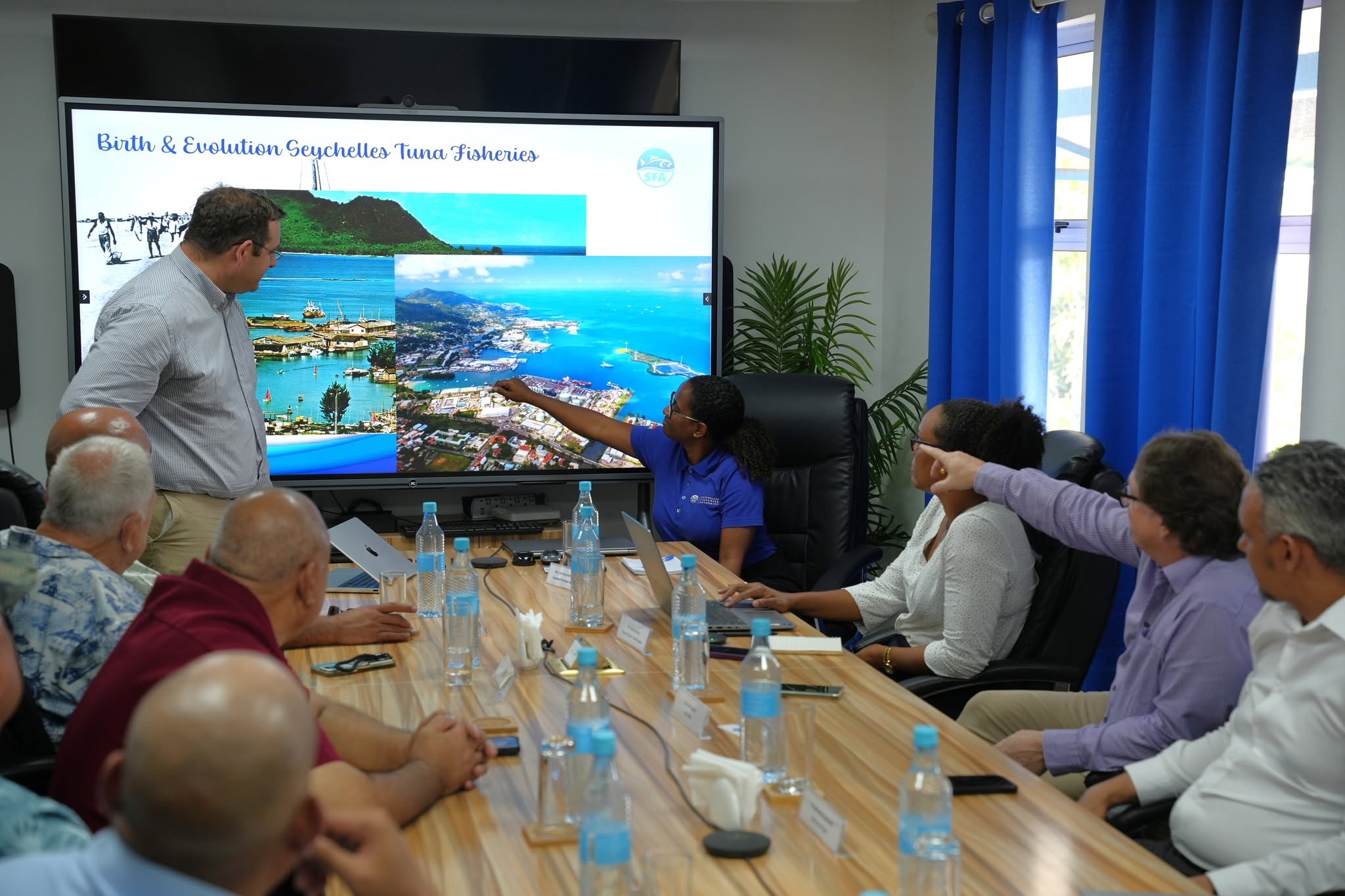
During their visit, the delegation met with SFA’s management team and attended a presentation on the development of Seychelles’ tuna industry, highlighting the partnerships and systems that have helped establish Seychelles as a regional leader in sustainable tuna fisheries.
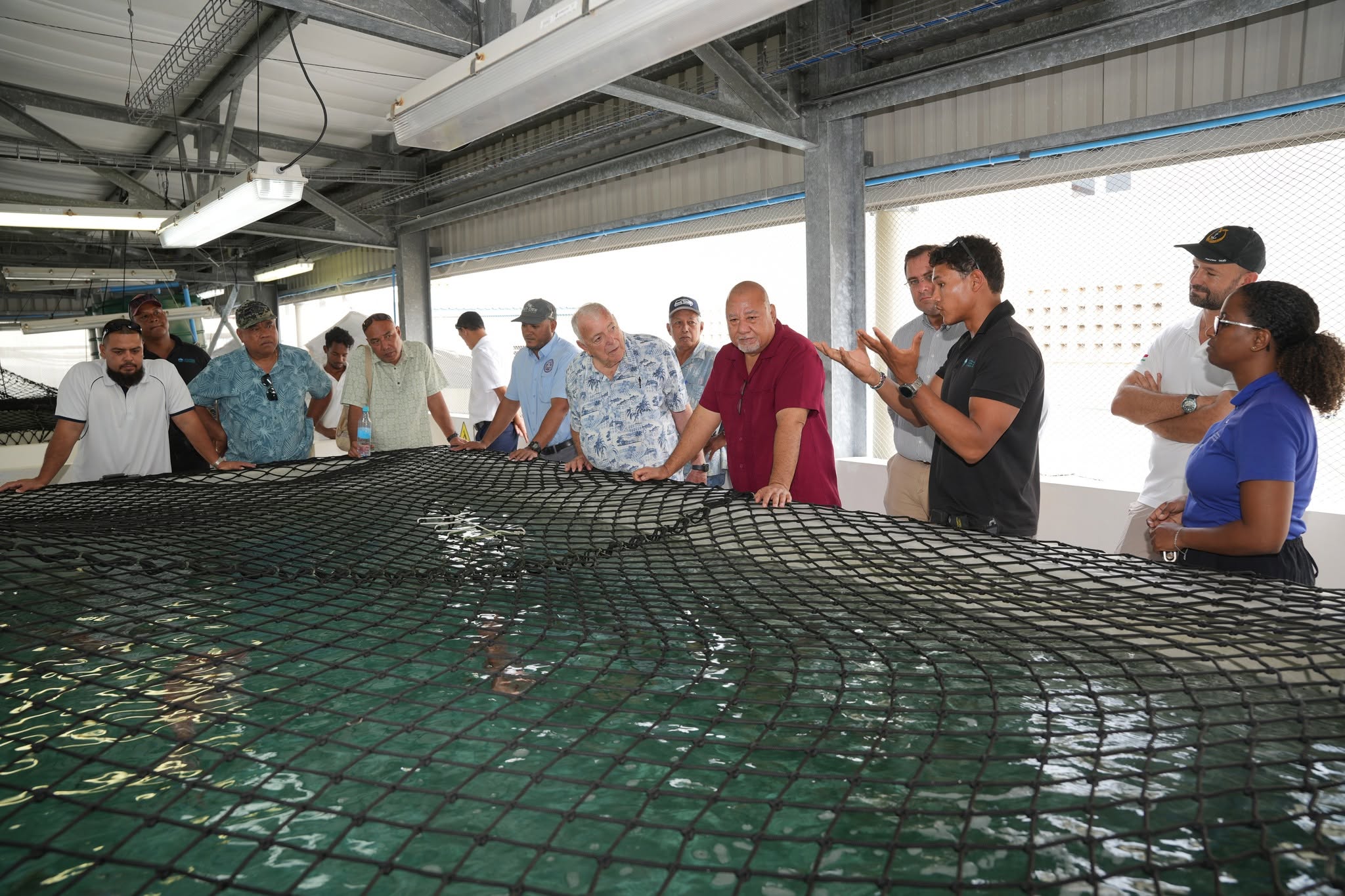
The delegation also toured the SFA’s aquaculture facilities to learn about Seychelles’ efforts to diversify its fisheries sector through sustainable aquaculture development.
Their visit concluded at Amirantes Fisheries Company, where they observed modern fish processing operations and were particularly impressed by the innovative use of by-catch, especially marlin, to create value-added products.
This visit provided an excellent opportunity to exchange knowledge and best practices as the Marshall Islands looks to strengthen its own tuna and by-catch industry.
During their stay in the country, the delegation also observed tuna landing operations, port infrastructure, fish processing facilities, and PPP arrangements, while engaging with relevant stakeholders to gain practical insights into port efficiency, mechanized fish handling, and private sector participation.