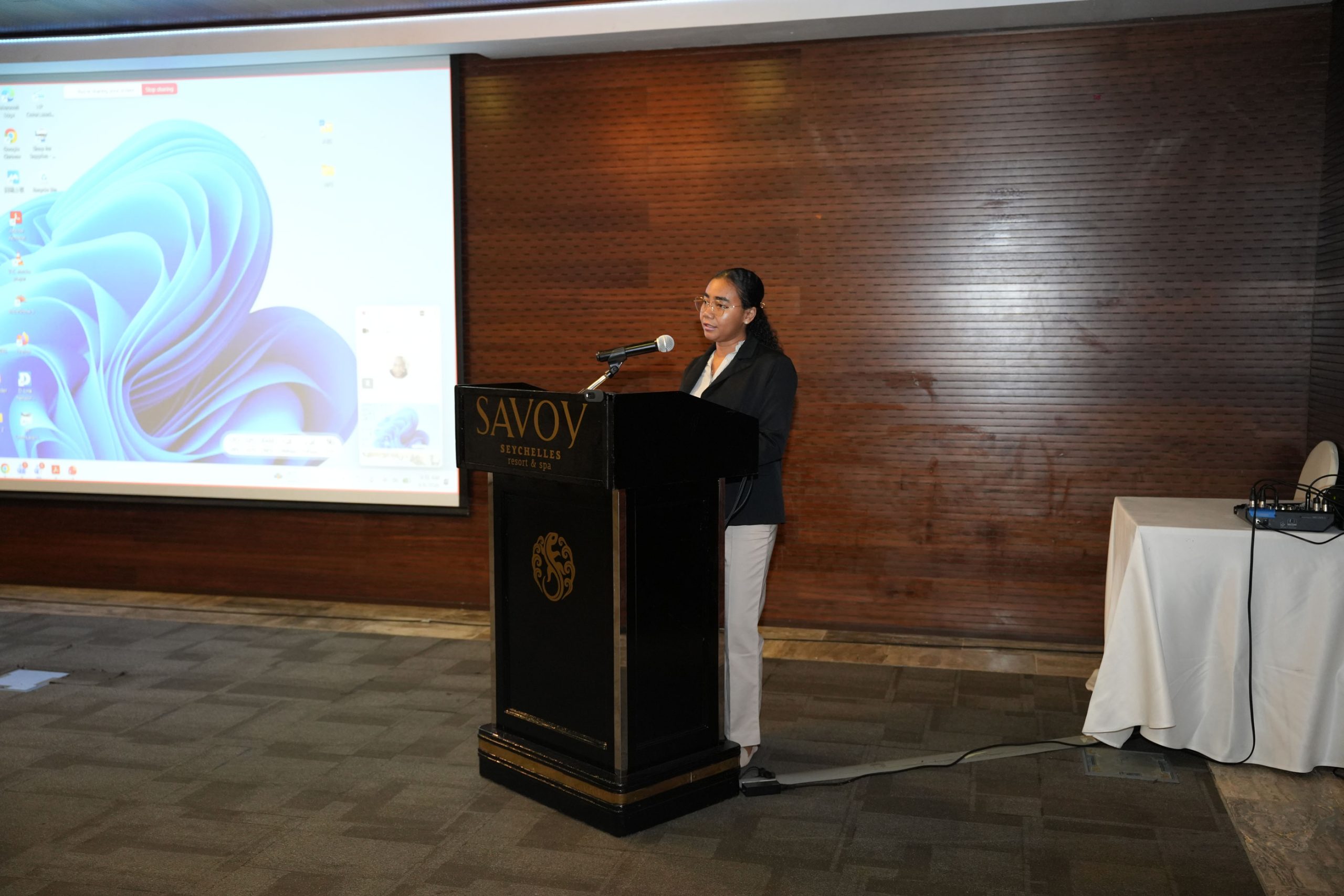
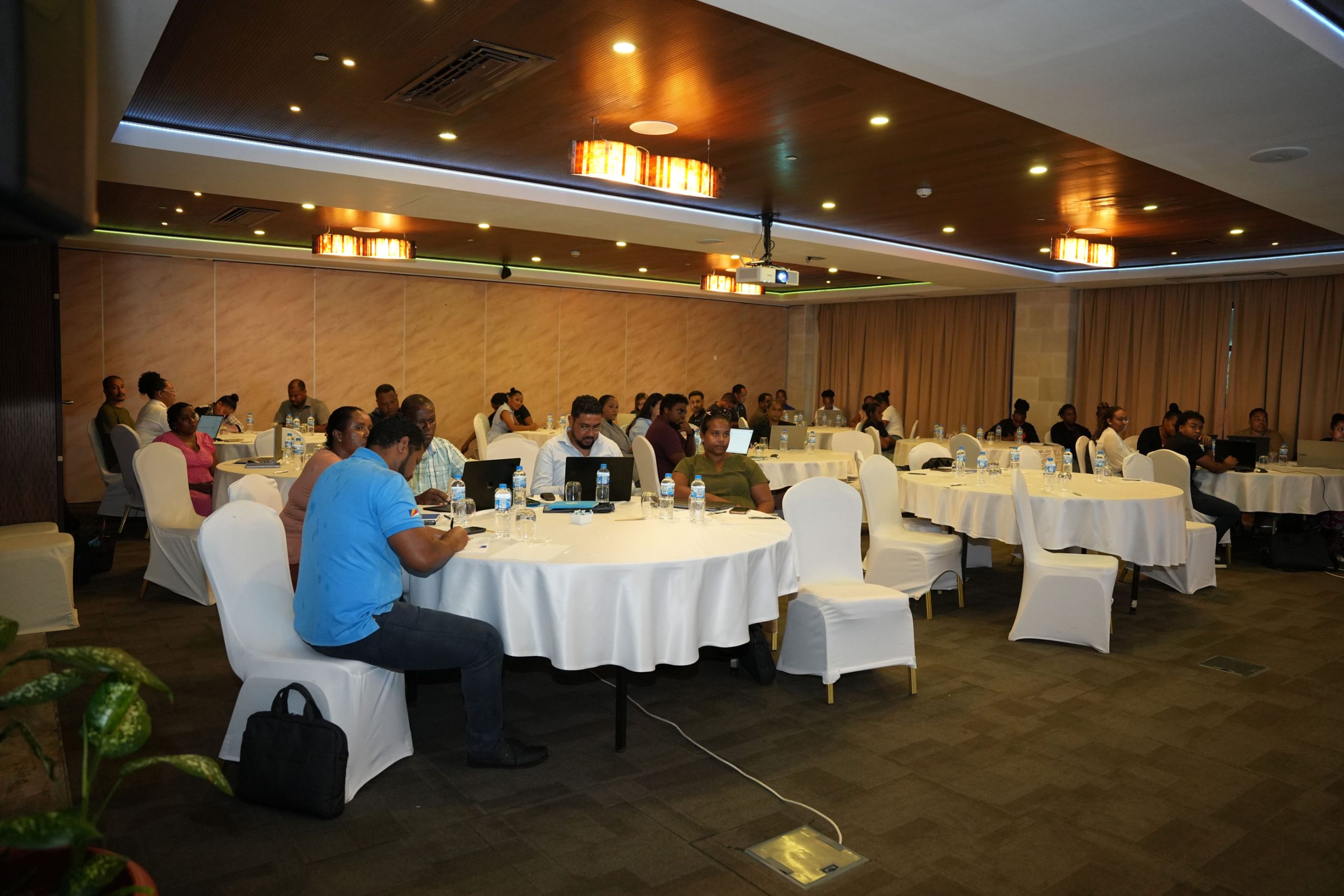
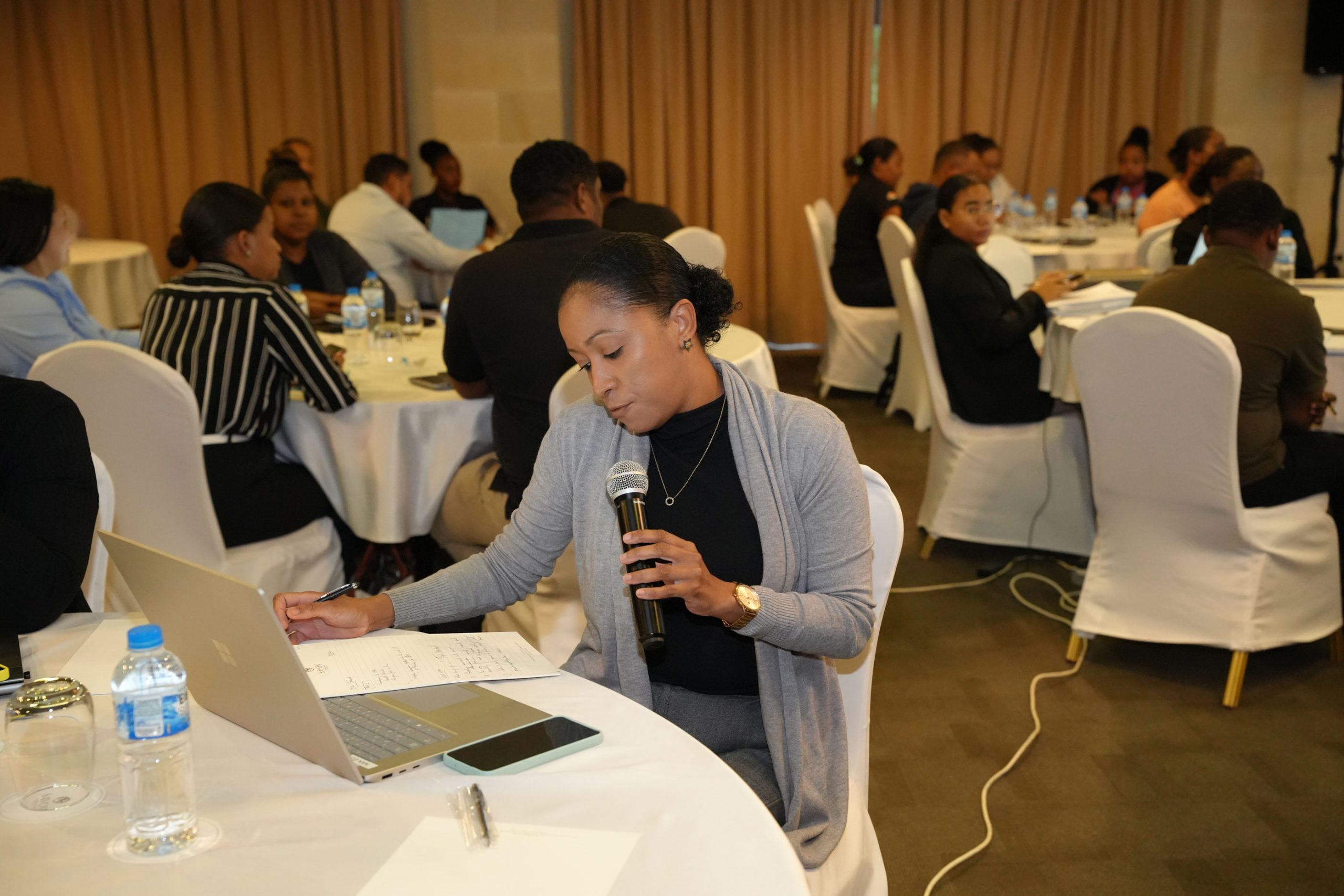
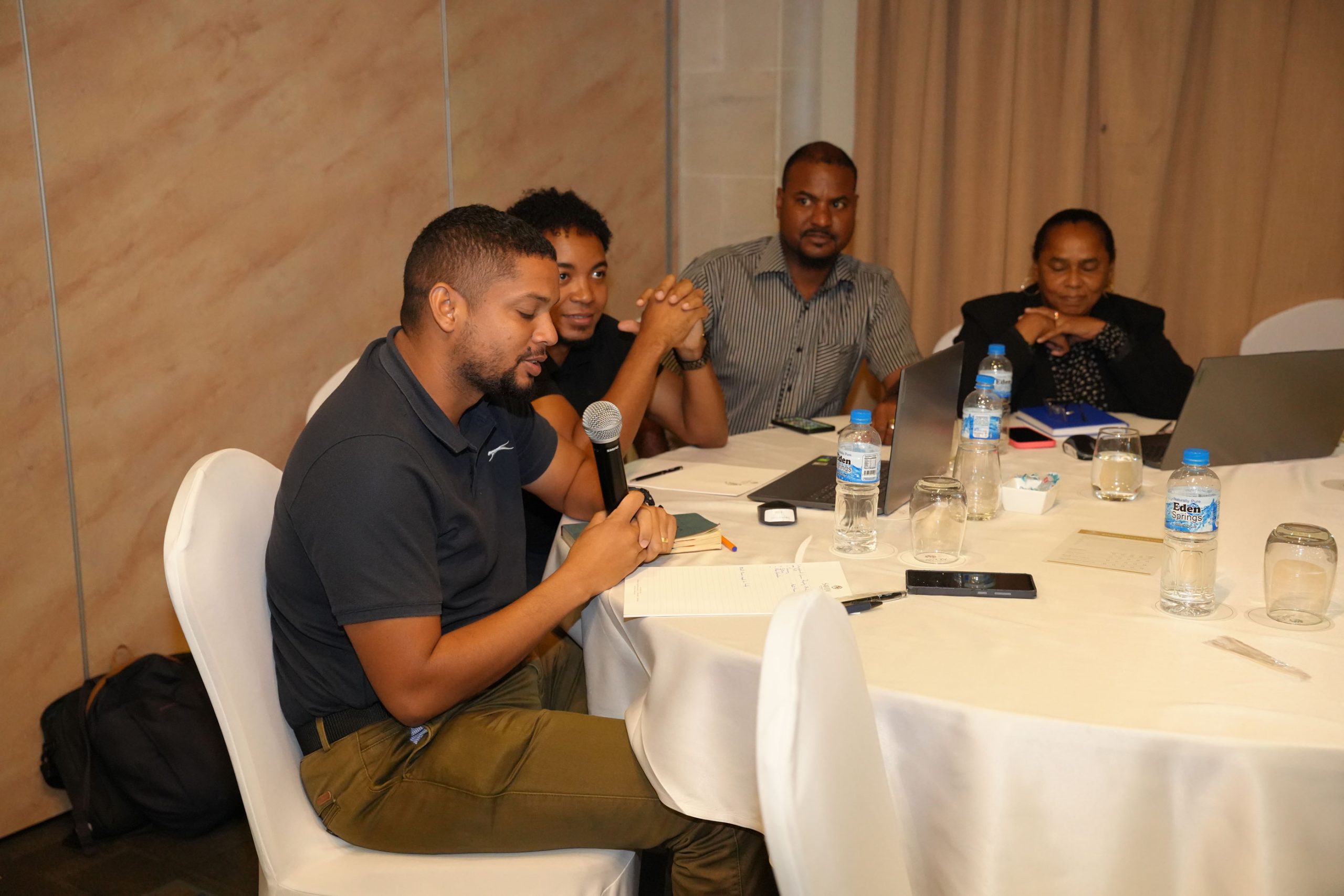
 The Seychelles Fisheries Authority (SFA) has taken another important step towards strengthening its financial reporting practices as it progresses with its transition from Local Generally Accepted Accounting Principles (Local GAAP) to International Financial Reporting Standards (IFRS).
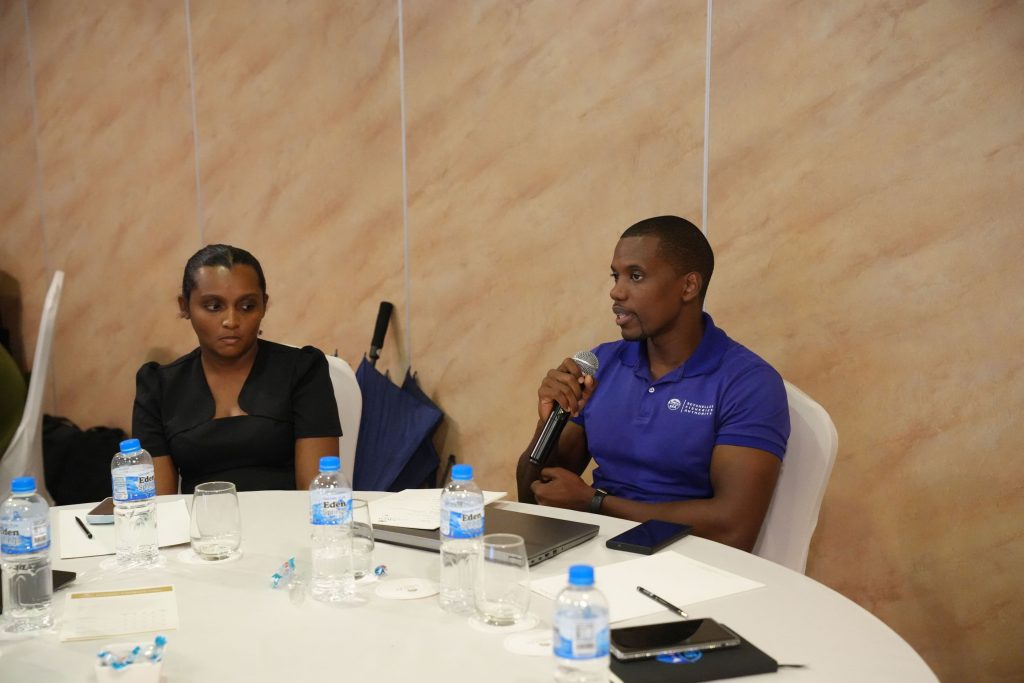
As part of this transition, SFA held a three-day introductory IFRS training from 8 to 10 September 2026, at Savoy Hotel and Spa, facilitated by Mr. Jerad Dias, Founder of Minds Global Academy (Pvt) Ltd.
The training brought together participants from both the finance and non-finance teams, including members of the Extended Leadership Management and staff from various departments across the Authority. The broad participation reflects the importance of a collective approach to the transition, with financial reporting being a responsibility that extends beyond the Finance Department.
The training aimed to provide participants with a foundational understanding of IFRS while raising awareness of the important role each department plays in supporting SFA’s successful transition to the new financial reporting framework.
The first day focused on establishing a clear understanding of the transition and why it is important for SFA.
Participants explored the reasons behind SFA’s move to IFRS, the decision surrounding the IFRS versus IPSAS framework, and the overall approach that will guide the transition.
The sessions were designed to make the technical subject more accessible to both finance and non-finance staff, while highlighting how decisions and information generated across different departments can ultimately contribute to SFA’s financial reporting.
Over the following two days, participants explored key IFRS areas using SFA’s own financial information and real-life examples. Topics covered included revenue, property and equipment, government grants, financial instruments, provisions and payables.
Using SFA’s own information provided participants with an opportunity to connect the principles of IFRS to the Authority’s day-to-day operations and financial activities.
The programme concluded with a practical implementation roadmap, focusing on departmental responsibilities, data requirements, conversion priorities and the next steps towards preparing SFA’s first IFRS-compliant financial statements.
The transition to IFRS represents an important development in SFA’s financial management and reporting practices. While the Finance team will play a central role in the technical aspects of the transition, the involvement and cooperation of departments across the Authority will be essential to its successful implementation.
Through training and greater awareness, SFA is working to ensure that staff understand not only what IFRS means, but also how their respective roles and the information they provide contribute to the wider financial reporting process.
The three-day training therefore marked an important step in building the knowledge, understanding and shared responsibility needed as SFA moves towards its first IFRS-compliant financial statements.