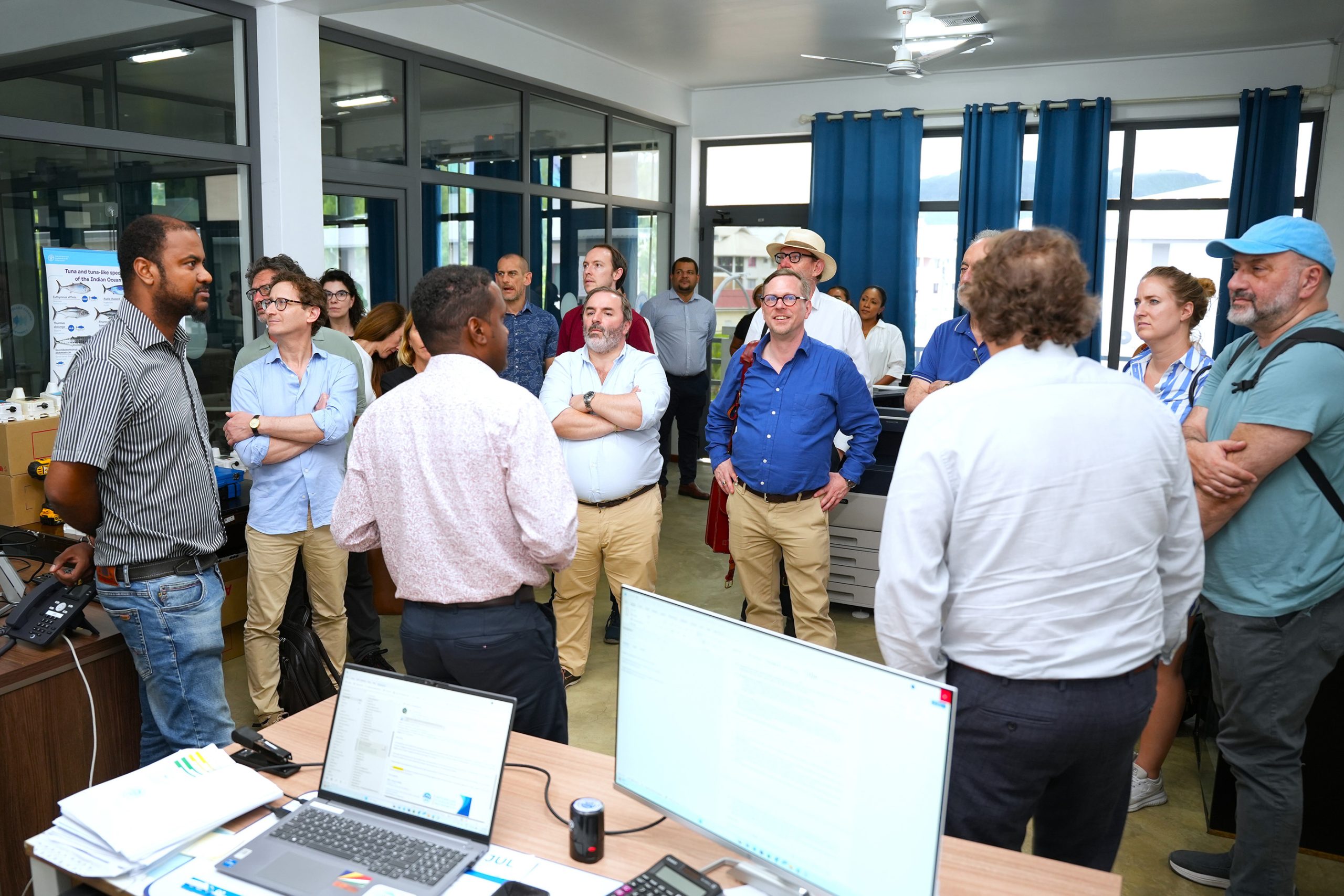
On Wednesday 18th and Thursday 19th February 2026, a delegation from the European Parliament’s Committee on Fisheries, led by Emma Wiesner, carried out a two-day evaluation visit to the Seychelles Fisheries Authority (SFA), gaining firsthand insight into the impact of the Sustainable Fisheries Partnership Agreement (SFPA) between Seychelles and the European Union.
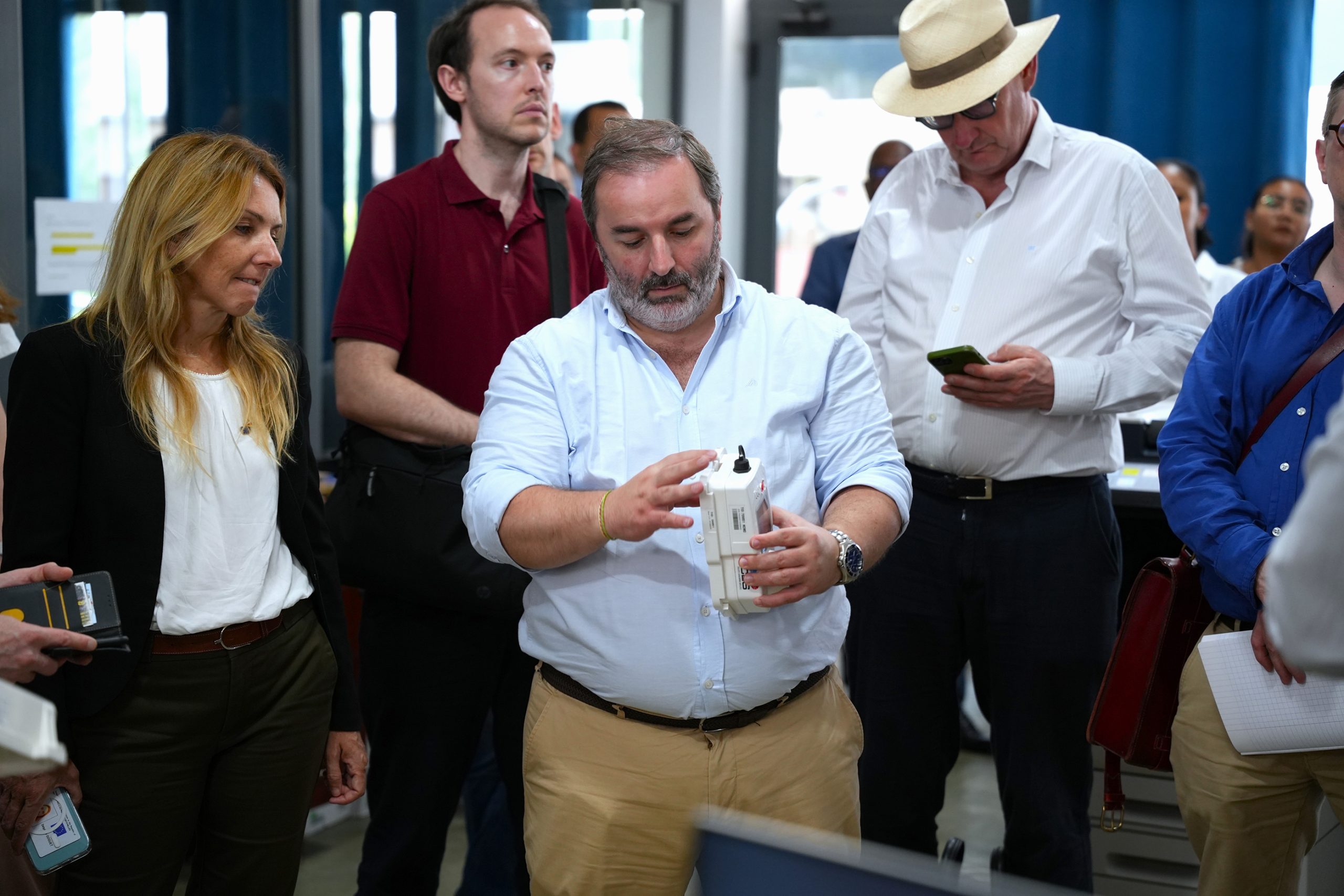
On the first day, the delegation received a comprehensive overview of SFA’s work in monitoring, control and surveillance (MCS), with particular emphasis on efforts to combat illegal, unreported and unregulated (IUU) fishing. Officials outlined the systems and technologies used to track fishing activities within Seychelles’ Exclusive Economic Zone, as well as enforcement measures designed to safeguard marine resources.
The discussions highlighted how support under the SFPA has strengthened national capacity in surveillance and compliance, contributing to improved fisheries governance and sustainability. The delegation was briefed on ongoing cooperation with regional and international partners, and the importance of maintaining robust oversight mechanisms to protect tuna stocks and other key species.
In a meeting with SFA management, both sides underscored the strategic value of the partnership between Seychelles and the European Union. The delegation expressed interest in understanding how the agreement supports not only sustainable resource management but also economic development. The importance of extending and further enhancing this longstanding partnership was a key point of discussion.
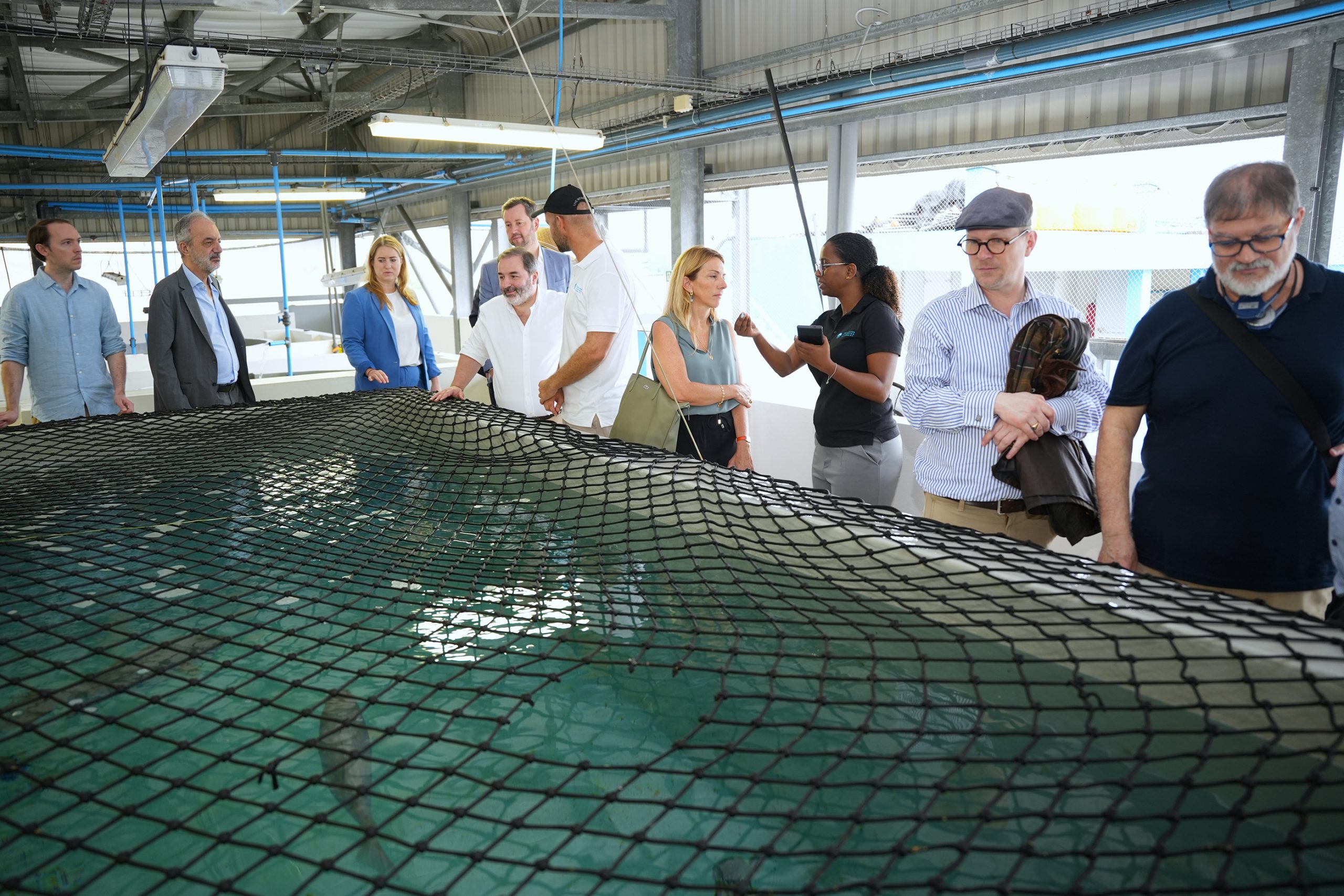
On the second day, the delegation visited the Broodstock, Acclimation and Quarantine Facility (BAQF) at Providence, an aquaculture installation funded by the European Union. The facility plays a central role in the development of Seychelles’ aquaculture industry by supporting the production of quality fingerlings for local farmers.
During the tour, the MEPs were briefed on how EU funding has contributed to building infrastructure and technical capacity in aquaculture, helping to diversify the fisheries sector and reduce pressure on wild stocks.
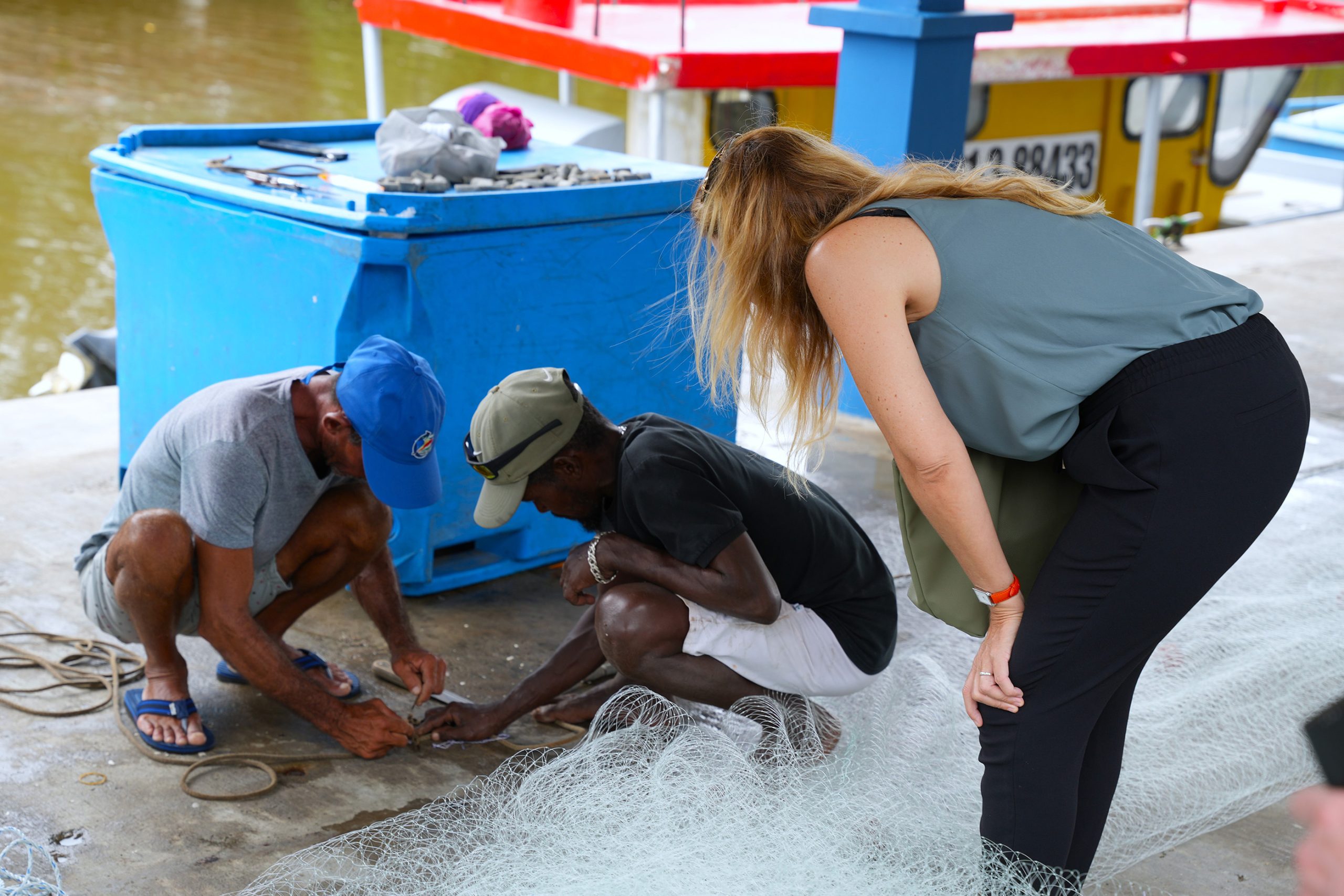
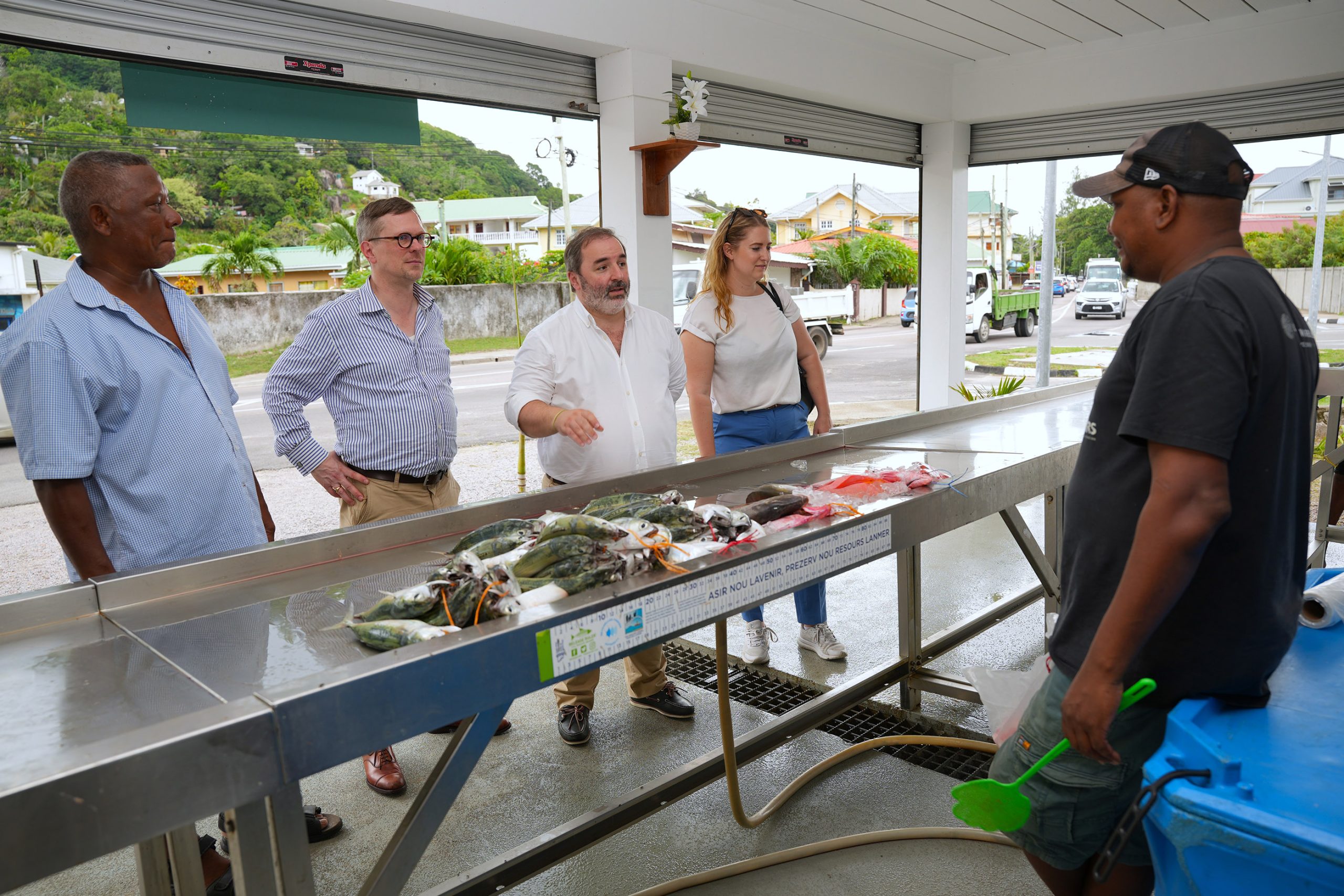
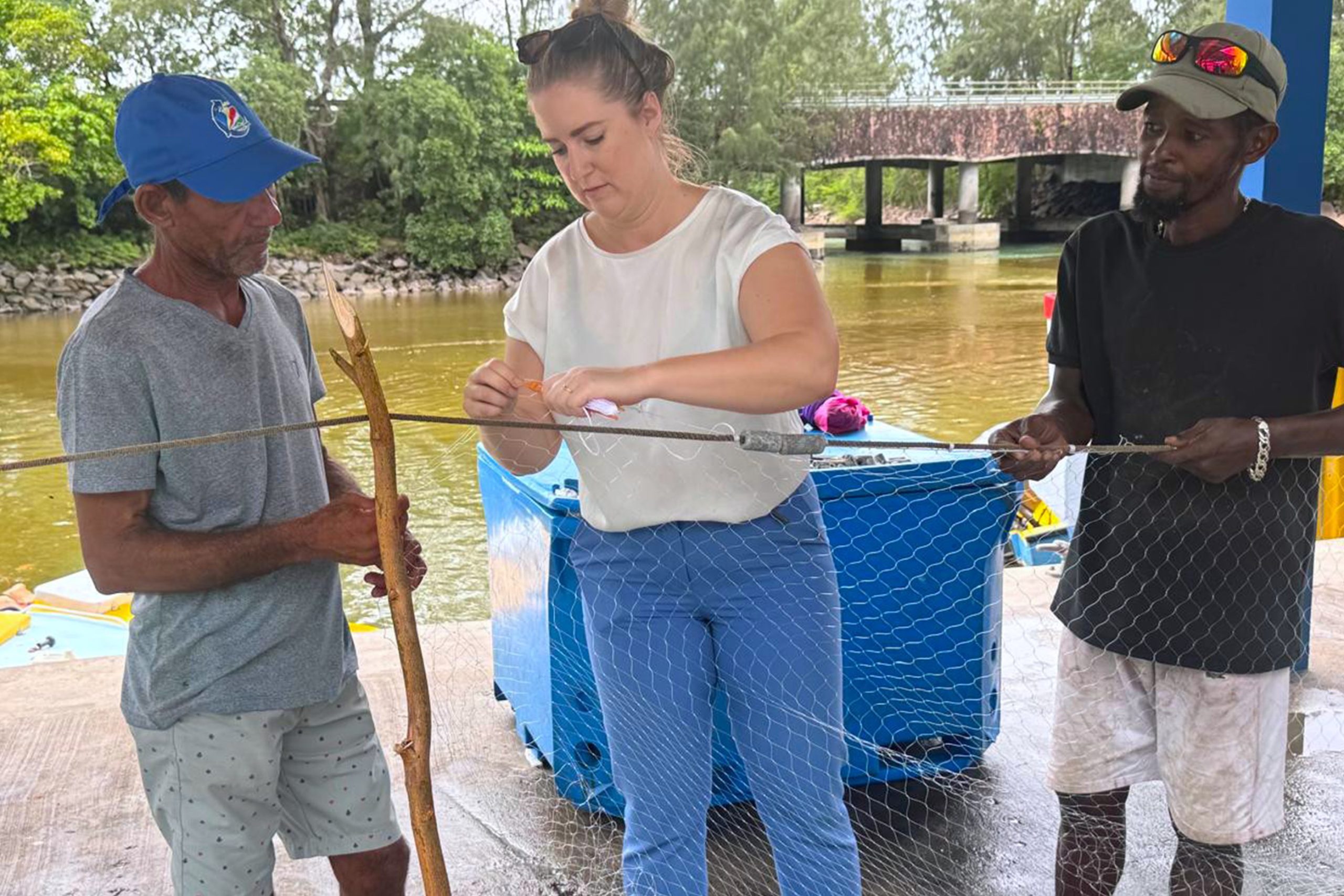
In the afternoon, the delegation travelled to community-based fishing facilities at Cascade and Anse Aux Pins. There, they met with fishermen’s associations and individual fishers from both districts.
The exchanges provided an opportunity for local stakeholders to share their perspectives on the importance of well-managed fisheries, improved infrastructure and continued support for artisanal fishing communities.
For the delegation, these interactions were an essential component of the evaluation mission, offering direct feedback from those most closely connected to the sea. By engaging with grassroots representatives, the MEPs were able to better appreciate how policy decisions resonate within coastal communities.